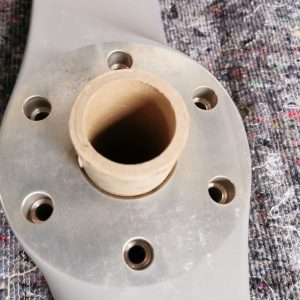
The Sensenich Propeller – P/N 74DM6-0-60
Whether buyers search for a Sensenich Propeller P/N 74DM6-0-60, Sensenich 74DM6 Propeller, or 74DM6-0-60 Aircraft Propeller, complete identification should guide the purchase.
A Sensenich Fixed-Pitch Propeller may also be categorized as a Sensenich Aluminum Propeller or Fixed-Pitch Aluminum Propeller when the exact material and configuration are confirmed.
Whether buyers require a 74-Inch Aircraft Propeller, 60-Inch Pitch Propeller, Lycoming O-320 Propeller, or General Aviation Propeller, aircraft-specific applicability remains essential.
A Two-Blade Aircraft Propeller should be treated as one matched rotating assembly, while a Sensenich Aircraft Propeller should be identified through verified manufacturer markings.
Understanding the 74DM6-0-60 Model Number
Every digit, letter, dash, suffix, alteration stamp, and serial marking should be recorded because similar-looking propellers can have different applications or dimensional configurations.
Original packaging can support the product history but does not replace inspection of the actual propeller.
Evaluating an Unused Sensenich Propeller
The phrase new and never installed generally means that the propeller has not been operated in flight or permanently mounted on an aircraft.
Detailed condition evidence supports responsible marketing of the Sensenich Propeller – P/N 74DM6-0-60
Matching Propeller Design to Aircraft Performance
Correct matching protects the engine, propeller, and aircraft from unsuitable loading or operation.
Professional verification supports responsible use of the Sensenich Fixed-Pitch Propeller.
Benefits of Metal Propeller Blades
Material condition should be reviewed by appropriately qualified aviation personnel.
Factory paint and protective coating should be checked for lifting, bubbling, scratches, abrasions, discoloration, and exposed metal.
Confirming the Propeller Diameter
The 74-inch diameter description should be confirmed through the complete model designation, manufacturer data, available records, and suitable physical measurement.
A difference between documented and measured dimensions should be investigated before installation.
Understanding the 60-Inch Pitch Propeller
The seller should not guarantee specific performance based only on the pitch designation.
A blade-to-blade pitch difference can contribute to vibration, reduced efficiency, and unequal aerodynamic loading.
Avoiding Universal O-320 Compatibility Claims
The Lycoming O-320 engine family includes different models, power ratings, flange configurations, operating limits, and aircraft applications.
Aircraft modifications, engine conversions, supplemental approvals, spinner changes, cowling alterations, and landing-gear configurations may influence propeller eligibility or clearance.
Inspecting the Complete Propeller Assembly
Shipping damage or improper storage affecting one blade can influence the balance and suitability of the complete propeller.
Unexplained grinding, drilling, filing, material removal, or attached weights should receive professional review.
Inspecting the Propeller Mounting Area
Mounting holes should remain free from corrosion, damaged edges, contamination, improper machining, impact marks, and unexplained installation impressions.
The propeller should never be drilled, forced, or modified to fit an incompatible engine flange.
Evaluating Scratches, Dents, and Finish Damage
A propeller should not be assumed free from defects solely because it has never been operated.
Trailing edges and blade tips should remain free from bending, cracking, deformation, edge damage, and inconsistent contour.
Protecting the Fixed-Pitch Aluminum Propeller
A dry storage history can reduce corrosion risk but does not eliminate the need for inspection.
Periodic inspection can identify developing coating or environmental concerns.
Supporting Installation Eligibility
Documentation should be interpreted according to its specific wording, scope, and serial-number reference.
A release certificate or service tag belonging to another serial number does not establish the condition of the offered unit.
Evaluating Release Paperwork
Original purchase paperwork may help establish the never-installed history.
Available records may include factory paperwork, conformity documents, release certificates, storage records, purchase invoices, inspection reports, and aircraft-project information.
Replacement Propeller Buying Guide
Detailed review reduces unsuitable purchases and unexpected inspection costs.
- Request clear photographs of the data plate, blade faces, blade backs, leading edges, trailing edges, tips, hub, mounting face, bolt holes, packaging, and storage supports.
- Do not treat original packaging, clean paint, new wording, or never-installed status as proof of present serviceability.
- Inspect and photograph the propeller immediately after delivery before cleaning, measuring, balancing, repairing, mounting, or modifying it.
Protecting a New Two-Blade Propeller in Transit
Professional packaging helps preserve the never-installed condition.
Careful freight preparation reduces damage risk to the Sensenich Aircraft Propeller.
Preventing Corrosion and Handling Damage
The propeller should not be placed where tools, vehicles, machinery, or personnel can strike it.
Periodic inspection can identify developing corrosion, packaging damage, coating defects, or mishandling.
Completing the Propeller and Spinner Assembly
Incorrect bolts, unsuitable washers, damaged threads, or improvised spacers should not be used.
The propeller should seat correctly against the approved mounting arrangement without rocking, binding, forced alignment, or surface contamination.
A ground run should not replace incomplete compatibility research or required technical inspection.
Maintaining the Leading Edges and Finish
Consistent maintenance protects the Sensenich Fixed-Pitch Propeller.
Recurring vibration should prompt review of the propeller, spinner, engine mounts, flange, ignition system, and engine condition.
Choosing a Valuable Aviation Component
Original packaging can improve presentation and provenance but does not replace physical examination.
Buyers should compare complete and documented propeller packages rather than price alone.
Selecting a General Aviation Replacement Propeller
New, Never Installed more info can become a valuable general aviation propeller.
Buyers should request current photographs, exact dimensional information, transparent condition disclosures, inspection details, protected freight arrangements, secure payment terms, and qualified propeller review.
Whether maintenance teams are sourcing a Two-Blade Aircraft Propeller, Sensenich Aircraft Propeller, Replacement Aircraft Propeller, or Certified Aircraft Propeller, professional inspection and installation should precede operational use.
With transparent records, protected shipping, correct aircraft-and-engine fitment, careful mounting, and appropriate inspection, the Sensenich propeller can support a professional aviation project.